Abstrac
Scalar wave therapy is becoming more popular in integrative and energy medicine as a non-invasive treatment for helping with pain management, nervous system balancing, cellular health and detoxification. Although patient interest continues to grow, the mechanism are often difficult to understand, being related to non-visible biofield and scalar phenomena.
The purpose of this paper is to provide a clinically oriented, evidence-based overview of scalar wave therapy and neuromodulator, considering proposed mechanisms of action, pertinent scientific research, patient-reported outcomes, and current limitations. With a view to furnish clarity for patients and practitioners, it maintains scientific propriety and transparency.
1. Introduction
The modern day healthcare system continues to face new challenges of chronic
pain, fatigue, neurological dysregulation, and toxin burden. The realm of
conventional medicine excels greatly in acute and emergency care. Many patients,
however, continue to seek complementary therapies that address regulation and
recovery as well as system balance, rather than mere symptom suppression.
Scalar wave therapy and neuromodulation are new strategies in integrative
medicine aimed at nonpharmacologically affecting the bioelectrical and energetic
systems of the body. Nevertheless, these therapies are frequently misinterpreted,
from terminologies like scalar energy or zero-point energy which can sound too
ethereal or unscientific towards patients.
The aim of this paper is threefold:
2. Background and Theoretical Foundations
2.1 Biofields and Human Physiology
The human body is biochemical and bioelectrical. Nerve impulses, muscle
contractions, and cellular communications all rely on electrical signaling. Together
these electrical currents create what is known as the human biofield – a
sophisticated and ever-changing electrical, magnetic and perhaps subtle
energetic field which surrounds and penetrates the body.
Biofield science is not speculative. It is the basis for established technologies,
such as:
New studies indicate that living organisms could be affected by field interactions
in addition to conduction currents, enabling non-contact biofield therapies.
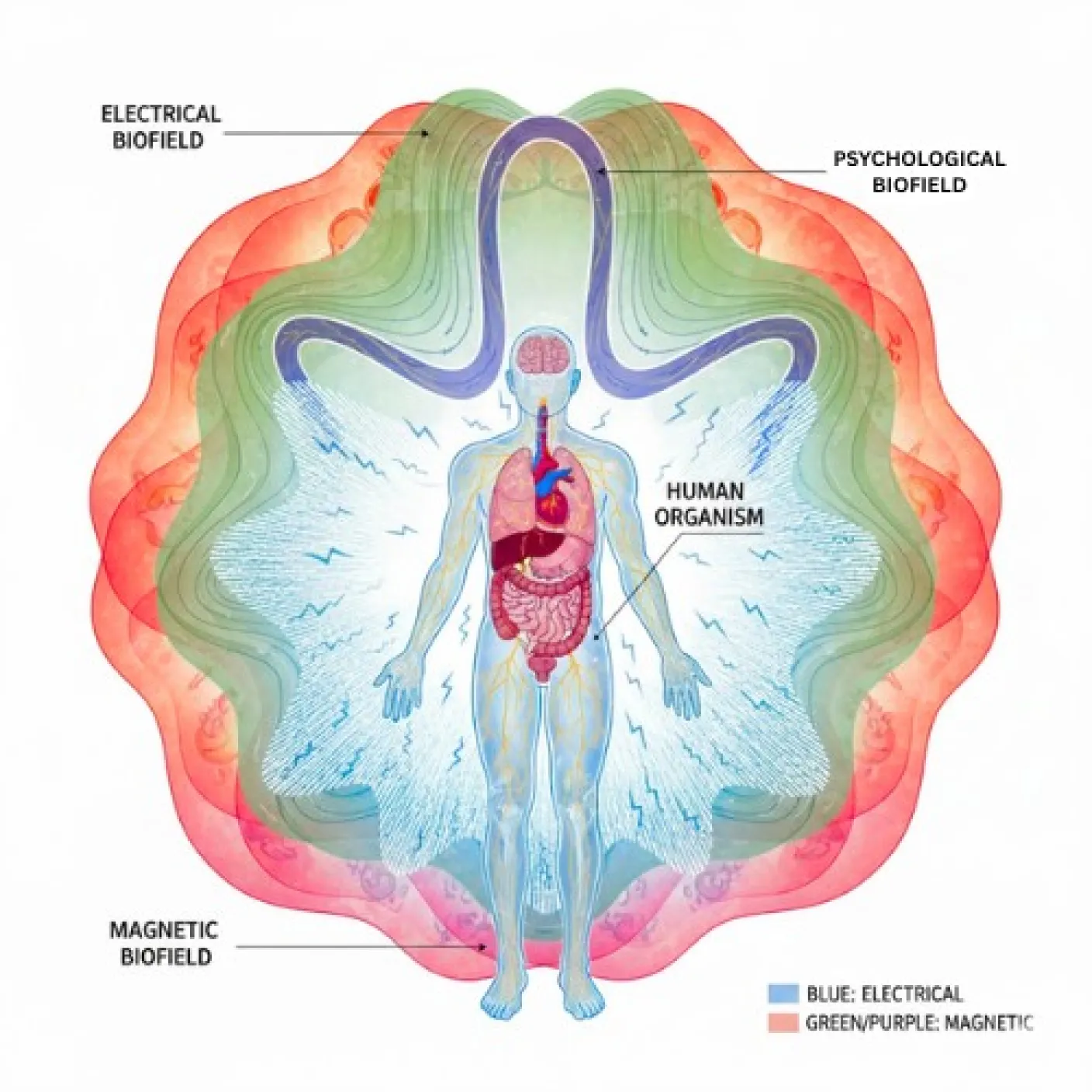
The human biofield encompasses electrical, magnetic, and psychological field layers
2.2 Scalar Fields and Zero-Point Energy
In theoretical physics, scalar fields correspond to fields that associate a scalar
value to every point in space-time. While scalar waves (as they are described in
various wellness products) are not acknowledged by mainstream physics, the
concept takes inspiration from legitimate scientific conversations about zero-point
energy, the lowest energy level that exists even in vacuum.
In Biology, scalar-based treatment is based on the assertion that:
This is a common error and this differentiation is vital: scalar wave therapy is not
aimed at forcing energy into the body, but helping coherence and balance in the
body’s own physiological system.
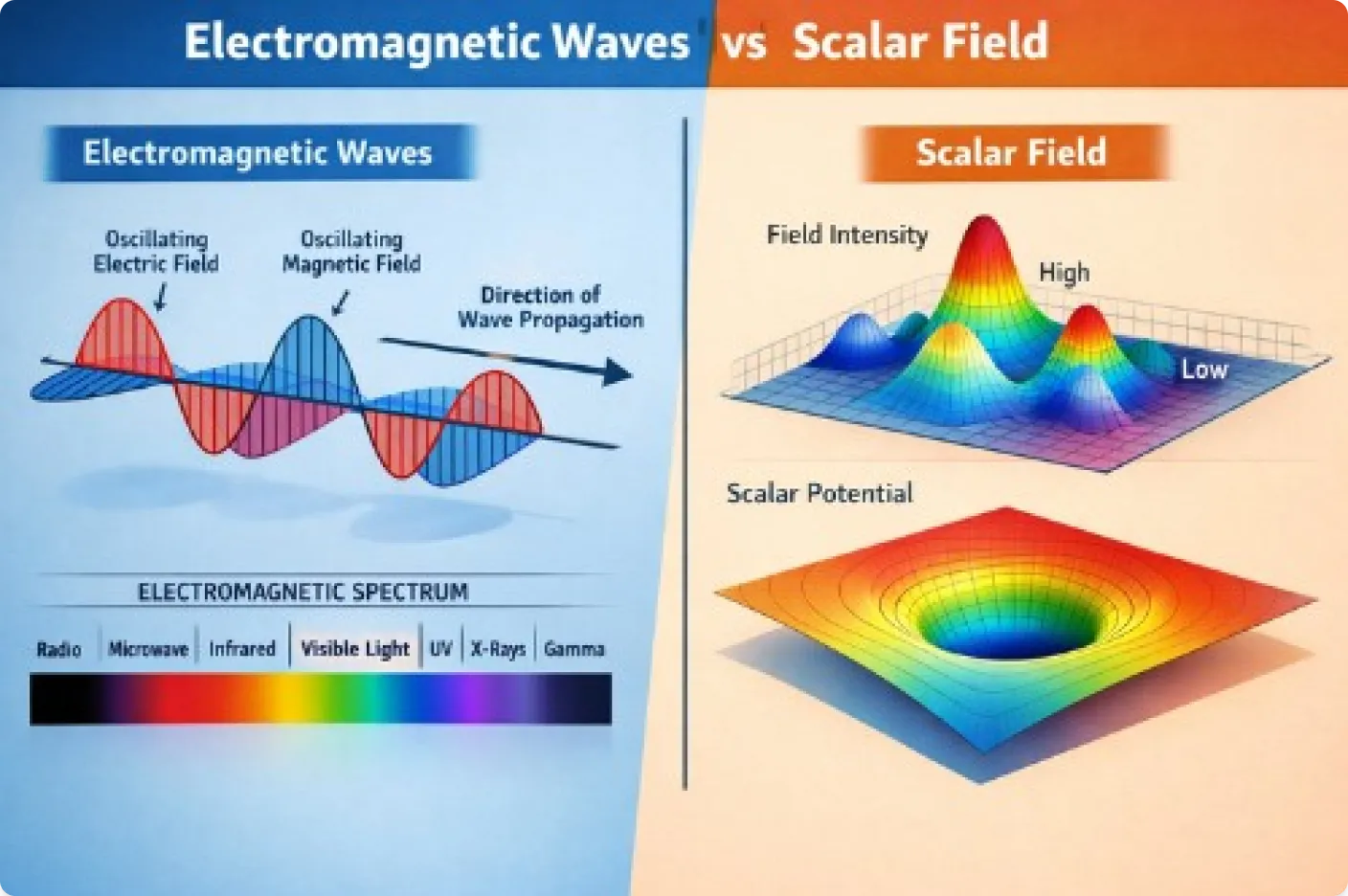
Comparison of electromagnetic wave spectrum with scalar field properties
2.3 Relationship to Neuromodulation Therapies
Neuromodulation is an established therapeutic approach whose method of action
is based on the activity of the nervous system through stimulation. Such as:
Scalar wave therapy is frequently mentioned in the same breath as these methods,
as they all purport to effect:
The fundamental distinction is the mechanism of delivery, rather than the
therapeutic purpose.
3. Mechanisms of Action (Proposed and Observed)
Wave scalar treatments and neuromodulation are optimally conceptualized as
non-invasive, regulatory approaches that engage with the body’s inherent
electrical, neurological and biofield systems. Instead of operating via strong direct
intervention, they support the body’s natural processes.
3.1 Cellular Communication, Membrane Potential, and Biofield
Coherence
All living cells have an electrical gradient across their membranes called the
resting membrane potential. This gradient is essential to life and controls:
In healthy tissues, the electrical activity of cells is coherent, synchronized, and
scalable, enabling one to communicate effectively at different levels across organs
and systems. By contrast, electrical dysregulation (relating to a system’s electrical
homeostasis) occurs with chronic stress, inflammation, toxin load, and trauma that
means cell signaling is impaired and the potential to heal is diminished.
From a clinical standpoint, enhanced coherence may:
Importantly, this process does not mean that scalar waves “add” energy to cells.
Instead, they make the best use of the electrical environment, enabling cells to
operate more closely to the biological norm.
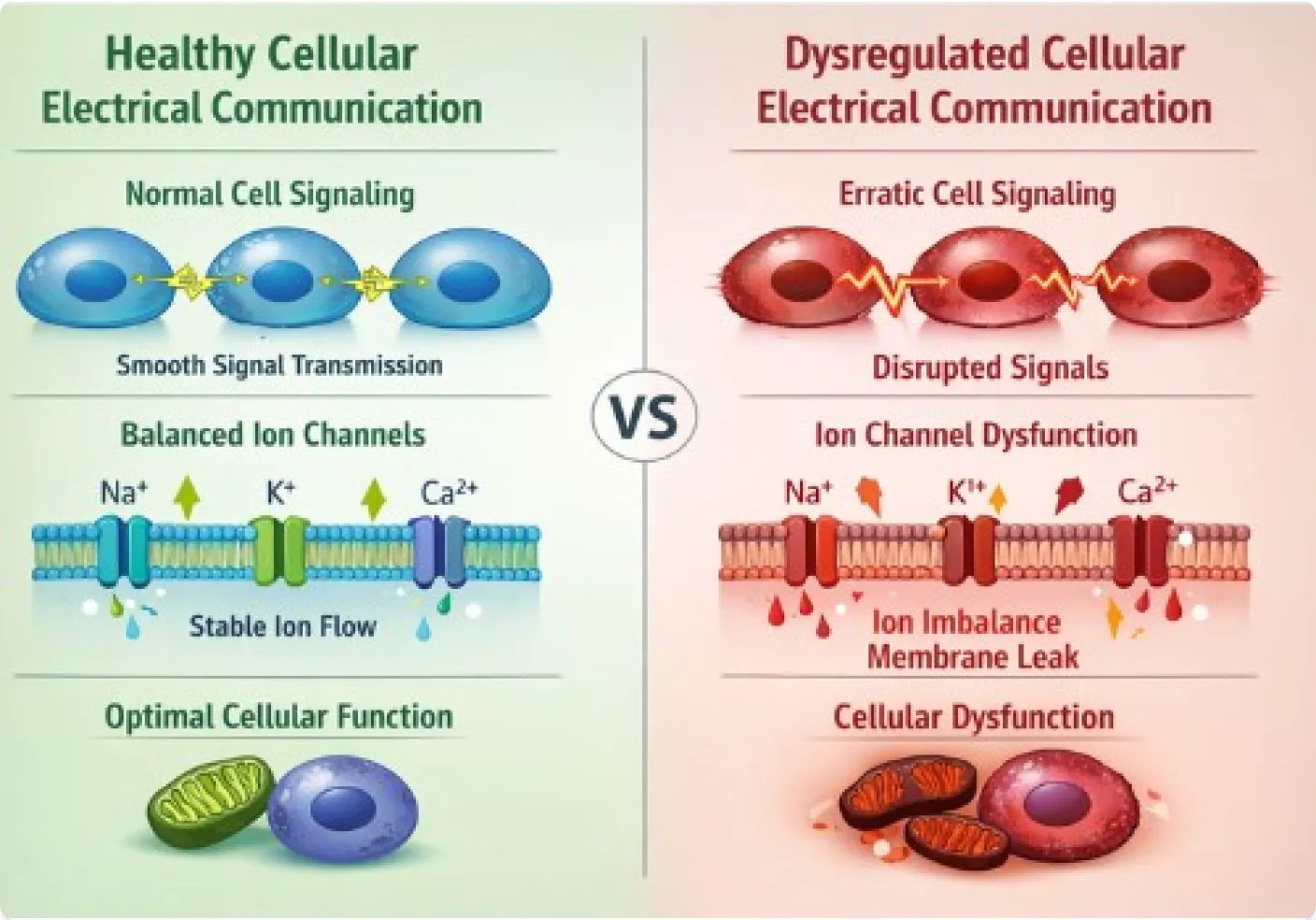
Healthy vs. dysregulated cellular electrical communication patterns
3.2 Neuromodulation and Autonomic Nervous System Regulation
Across patients, the most consistent subjective effects of scalar wave therapy
have been the profound states of relaxation experienced within a relatively short
time during and after treatment sessions. This suggests the possibility of direct
involvement on the autonomic nervous system, as would be construed from a
medical standpoint.
The ANS controls the activities of internal organs such as:
The ANS is divided into two:
Chronic pain, fatigue syndromes, inflammatory diseases, and neurodegenerative
disorders are linked with ongoing sympathetic overdrive, during which the body
stays stuck in a stress-adapted mode. It inhibits healing, fragments sleep,
interferes with digestion and sensitizes pain pathways.
Scalar wave neuromodulation is purposed to:
Conceptually, this is consistent with established neuromodulation therapies,
including vagus nerve stimulation, transcranial magnetic stimulation (TMS) and
pulsed electromagnetic field therapy (PEMF) that have shown quantifiable
influences on pain modulation, mood regulation and inflammatory modulation.
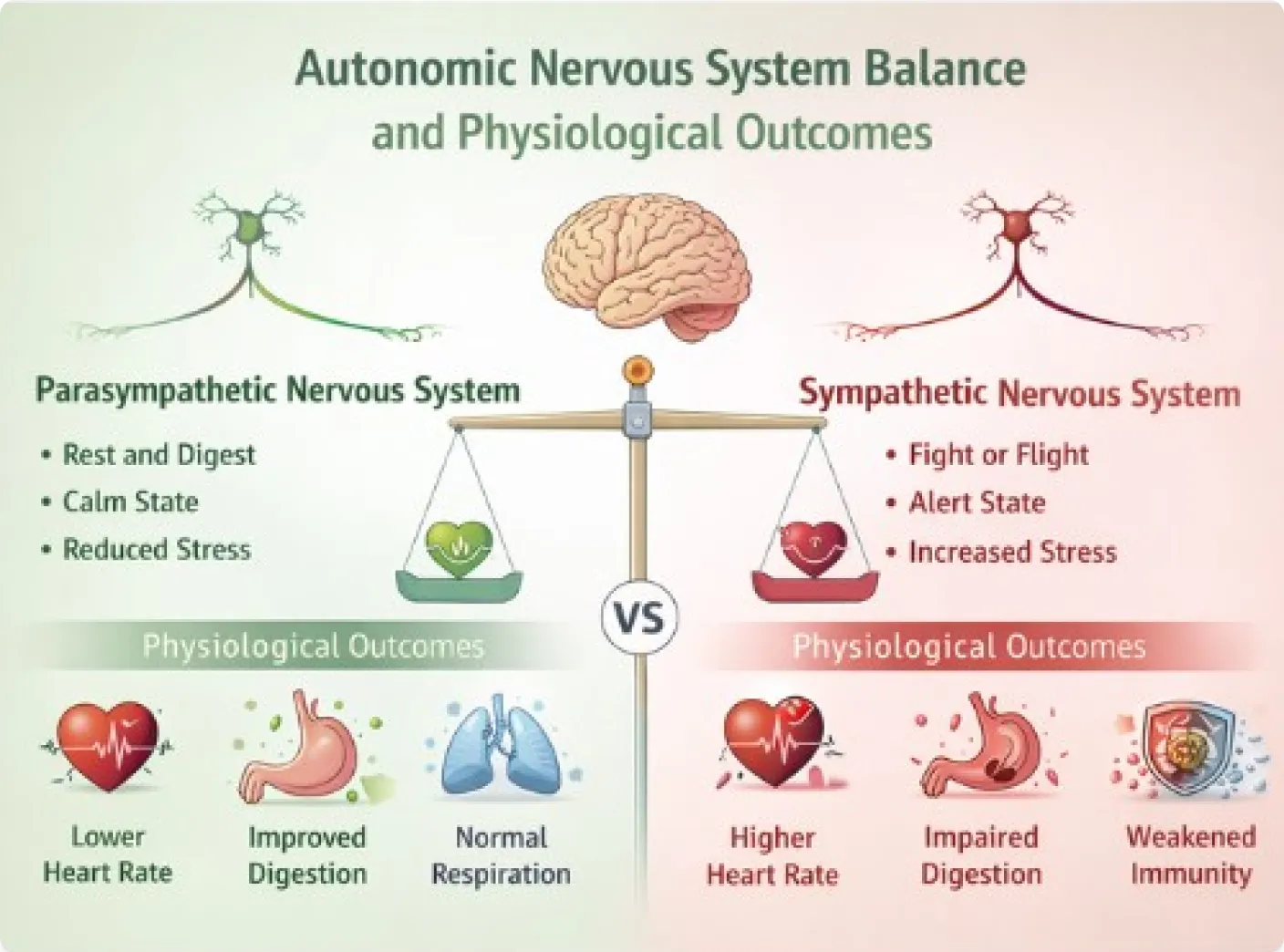
Autonomic Nervous System balance and physiological outcomes
3.3 Mitochondrial Function, Cellular Energy, and ATP Optimization
Mitochondria are critical for cell function and viability. Their function is to generate
adenosine triphosphate (ATP), the energy source for nearly all biological
processes. Mitochondrion dysfunction has been associated with various chronic
diseases such as:
Mitochondrial efficiency is highly reliant on electric gradients across mitochondrial
membranes. Interference with these gradients decreases ATP production and is
associated with an increase in oxidative stress, resulting in cell exhaustion and
injury.
Field therapies, such as PEMF and other frequency-modulated systems, have
been shown in lab and clinical studies to affect mitochondrial membrane potential
and ATP production. Scalar wave therapy is believed to work in the same way by:
Enhanced mitochondrial function may result in:
3.4 Structured Water, Intracellular Hydration, and Detoxification Pathways
About 60-70% of the human body is made up of water, much of which is found
within cells. This intracellular water is active and participates in:
Novel biophysical studies indicate that intracellular water is in a structured or
semi-ordered state rather than in a bulk state. This structured fluid is thought to be
responsive to electromagnetic and field-based stimuli, potentially influencing cell
efficiency and signaling.
Scalar wave therapy affects the organization of intracellular water, thus enhancing
cellular hydration, improving transport of nutrients and metabolic waste,
supporting lymph and detoxification routes, diminishing cellular congestion and
toxin load.
In the field, patients receiving scalar wave treatment occasionally experience brief
detox symptoms such as tiredness, headaches, or bowel movement, urination or
sweating. They tend to be short term and may be indicative of temporary
metabolic shifts as the body adjusts to more efficient detoxification.
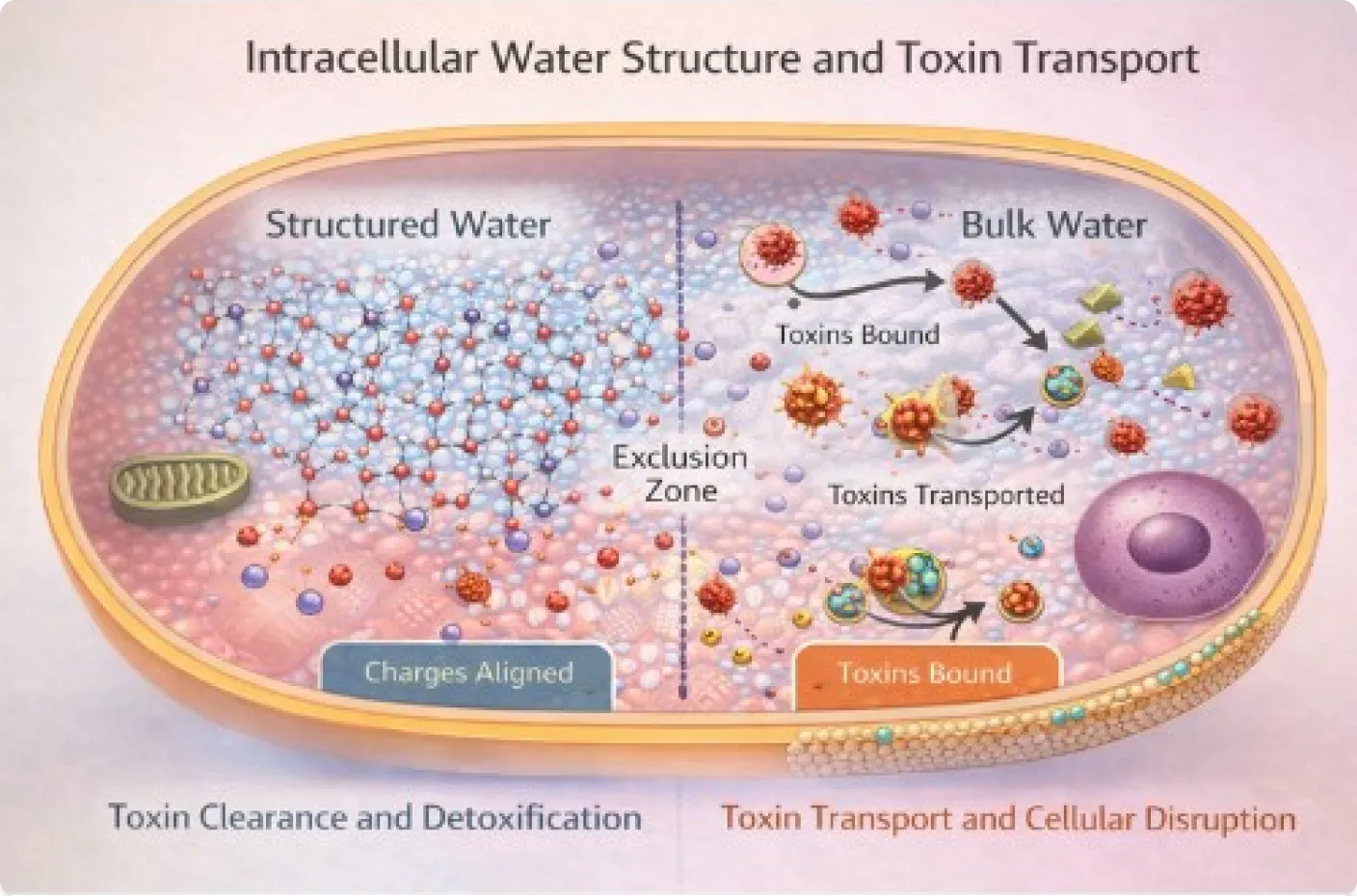
Intracellular water structure and toxin transport mechanisms
3.5 Integrated Systems Perspective
It is important to note that none of these mechanisms act independently. Cell
signaling, nervous system modulation, mitochondrial energy production and
detoxification are integrated processes. Enhancements in one area can often lead
to ripple effects in others.
In terms of systems biology, scalar wave therapy may act as a global regulatory
agent, facilitating the body in shifting from survival-based physiology to
restoration, resilience, and repair.
4. Clinical Applications of Scalar Wave Therapy and Neuromodulation
Clinical enthusiasm for scalar wave therapy and related neuromodulation
techniques has increased mainly in response to the conditions of chronic
dysregulation as opposed to diseases with acute pathology. These are chronic
pain syndromes, fatigue associated disorders, impaired cell repair, and
detoxification problems. These conditions typically involve intricate interplay
between the nervous system, cellular metabolism, immune signaling, and
environmental stressors, which are not easily mitigated by mono-target
therapeutics.
Scalar wave therapy resides within the umbrella of integrative medicine as a
systems-based assistance technique, with its ability to the regulatory processes
common to multiple symptoms diseases. The subsequent subsections review the
major clinical uses from a mechanistic and physiological perspective.
4.1 Pain Modulation and Inflammatory Regulation
Pain and Modern Neuroscience
Pain is no longer considered only the result of tissue damage. Modern
neuroscience understands pain as a state that arises as nociceptive input, central
sensitization, autonomic imbalance, inflammatory signaling, and cellular energy
status converge. In a number of chronic pain conditions, pain continues in the
absence of tissue pathology, suggesting malfunction in neuronal processing and
systemic regulation.
Scalar wave–based neuromodulation influences pain through indirect yet
significant mechanisms. The treatment may reduce the amplification of
nociceptive signals in the central pain networks by stimulating parasympathetic
nervous system activity and attenuating sympathetic overdrive. This shift of the
autonomic nervous system has the potential to reduce levels of circulating stress
mediators, block inflammatory signaling, and increase tissue perfusion, all of
which play a role in pain.
Enhanced electromechanical coupling of cells and mitochondrial efficiency could
also facilitate tissue regeneration and attenuate metabolic stress in these regions.
In patients, pain relief is frequently reported as slow and additive rather than
instant, in-line with a regulatory, as opposed to a suppressive, mode of action.
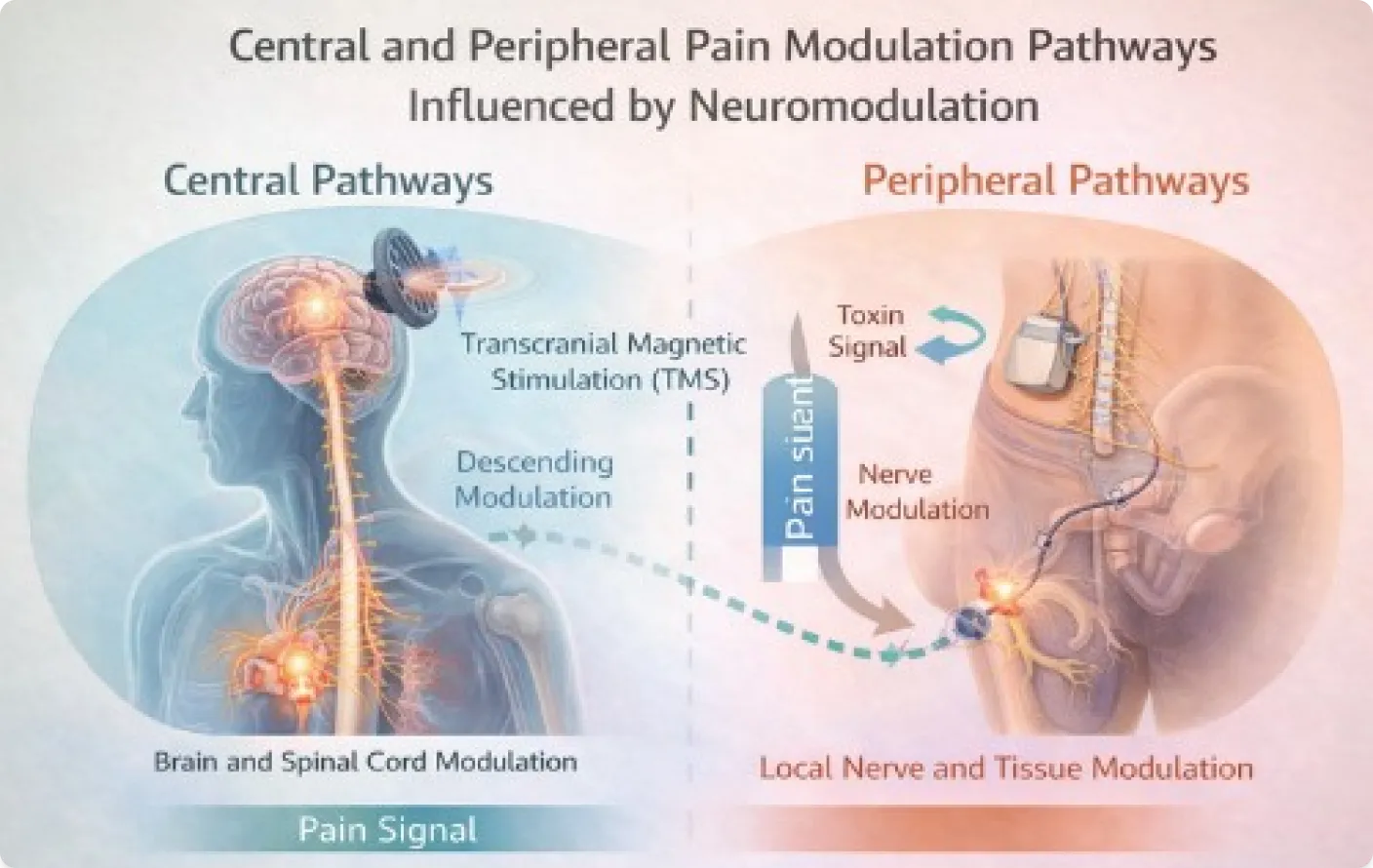
Central and peripheral pain modulation pathways influenced by neuromodulation
4.2 Cellular Renewal, Tissue Support, and Recovery
Cellular turnover is a process that consumes energy and is dependent on
sufficient availability of ATP, functional membrane potentials, and effective
communication within the cell. When these are not met, systems are slow to heal,
inflammation continues, and breakdowns accelerate.
Scalar wave encourages the cellular renewal by enhancing the energetic
background of cells production and not by physically stimulating cells to divide or
grow. This promotes the body’s ability to repair and regenerate itself.
This is especially applicable to situations of prolonged healing, musculoskeletal breakdown, or convalescence after injury where energy shortages and persistent inflammation interfere with normal tissue metabolism. Patients often describe an increased range of motion, less stiffness, and better recovery with multiple treatments, implying a cumulative physiological effect rather than a temporary alleviation of symptoms.
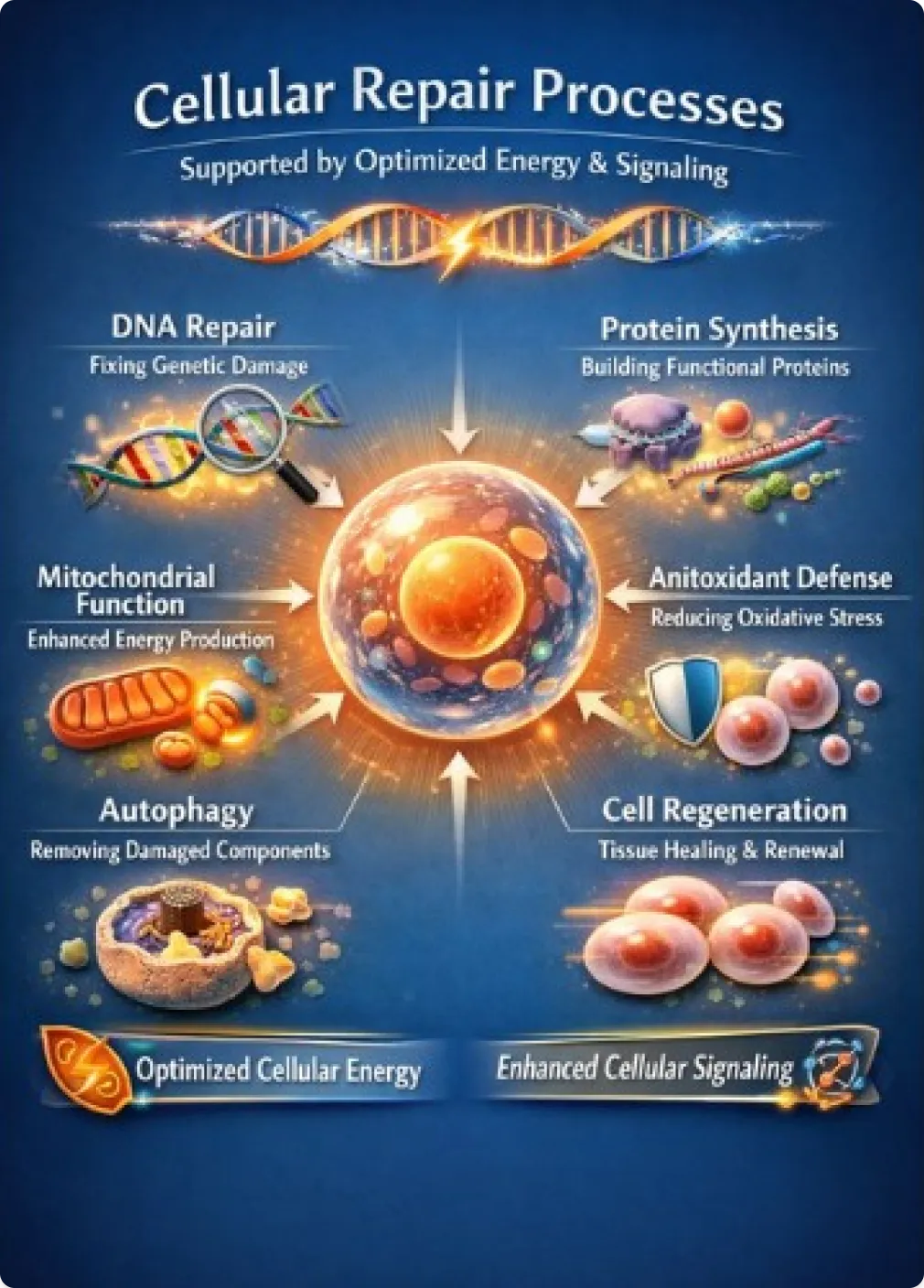
Cellular repair processes supported by optimized energy and signaling
4.3 Energy Optimization and Fatigue-Related Conditions
This is especially applicable to situations of prolonged healing, musculoskeletal
breakdown, or convalescence after injury where energy shortages and persistent
inflammation interfere with normal tissue metabolism. Patients often describe an
increased range of motion, less stiffness, and better recovery with multiple
treatments, implying a cumulative physiological effect rather than a temporary
alleviation of symptoms.
Fatigue is a frequent but intricate symptom that happens in many different clinical
situations like chronic inflammatory diseases, neurological syndromes, and post-
viral conditions. More and more studies point to mitochondrial dysfunction,
oxidative stress, and autonomic imbalance as the main factors behind the
development of chronic fatigue.
Scalar wave therapy could enhance ATP effectiveness by preserving
mitochondrial membrane stability and facilitating intracellular energy transfer
rather than increasing energy demand. This is clinically significant, as many
patient whites suffering from chronic fatigue experience symptom aggravation
whenever extra metabolic stress is put upon them by the therapies under which
they are subjected.
By exerting neuromodulatory influence on the autonomic nervous system, energy
expenditure in response to chronic stress might be further lowered, allowing
metabolic resources to be channeled toward repair and maintenance. Patients in
the clinic often report increased stamina, mental clarity, and resilience to physical
or cognitive exertion as time progresses, in accord with an interpretation of
regulating energy rather than stimulating energy.
4.4 Detoxification, Immune Function, and Metabolic Clearance
Humans have evolved to metabolize various natural plant toxins and other
substances (like caffeine), and to clear these xenobiotic metabolites and other
waste products from the body through faeces, sweat, urine, respiration, and
breast milk. Interference at any stage can result in toxin build-up, oxidative stress
and immune dysfunction.
Scalar wave therapy helps detoxification passively by enhancing cellular
hydration, membrane transport efficiency, and lymph movement, rather than by
directly mobilizing toxins. This distinction is important clinically because an
aggressive detoxification can burden the elimination routes and worsen
symptoms.
A few patients may have transient responses associated with detoxification in the
early stages of treatment, which are usually self-limited and may represent a
physiological adaptation as opposed to an adverse reaction. These observations
highlight the need for personalized pacing, and monitoring with hydration,
nutrition, and medical supervision.
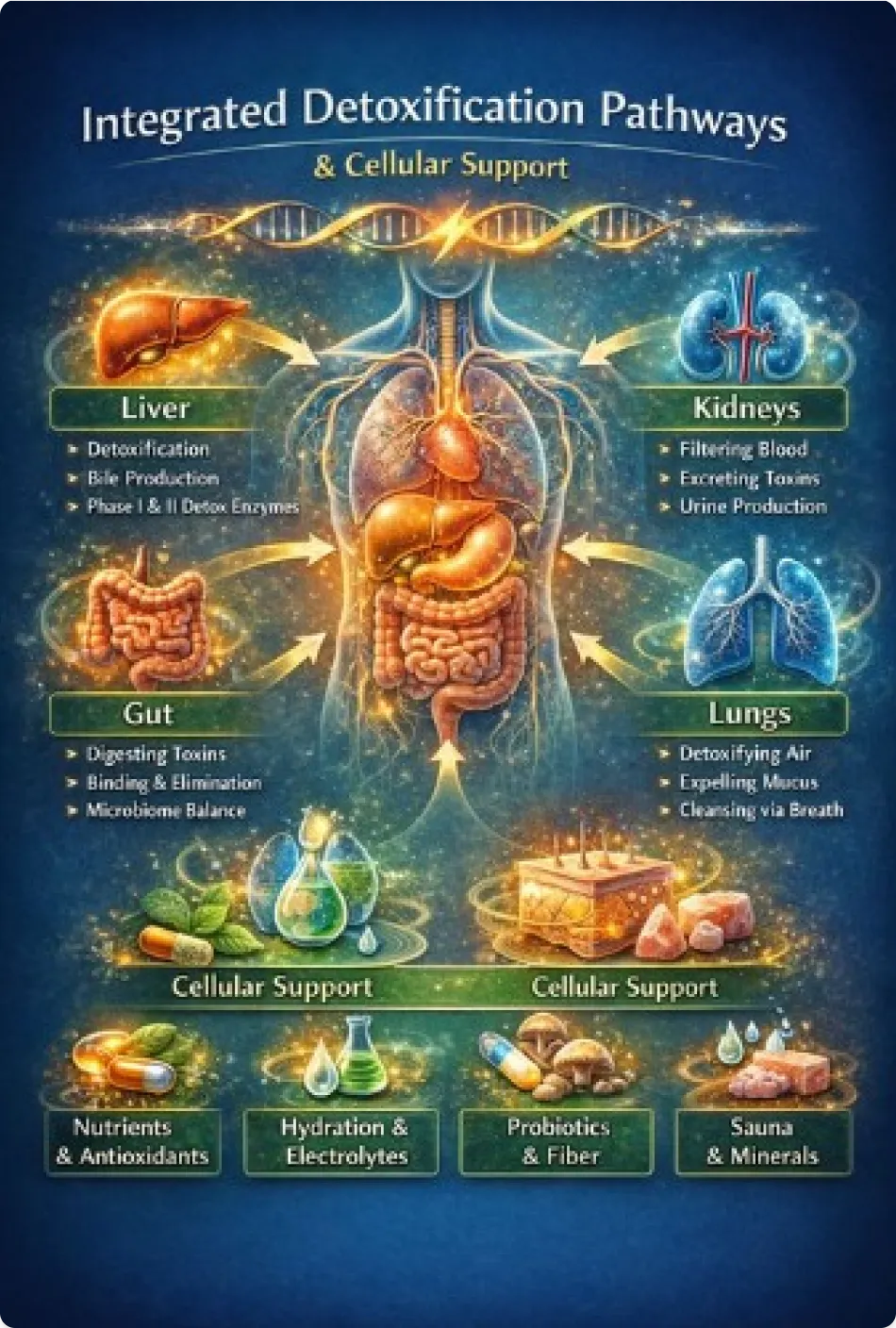
Integrated detoxification and cellular support pathways
4.5 Integrated Clinical Perspective
In modulation of pain, cell renewal, energy metabolism and detoxification, a
common theme appears: scalar wave therapy is most applicable in conditions
involving regulatory disruption over and above structural destruction. Its possible
value for the clinic resides in its support of the whole system balance and thereby
in increasing the body ability to make use of its own repair mechanisms for tissue
healing.
5. Review of Existing Research and Related Modalities
The assessment of scalar wave therapy needs to be considered in the context of
the entire sphere of biofield science, neuromodulation and frequency medicine.
Although scalar wave therapy is still a developing technique with very few large-
scale randomised controlled trials, its mechanisms intersect with a number of
recognised and actively researched areas. These closely related disciplines
should be kept in mind as references for what could be as well as what currently
are scalar-based methods.
5.1 Biofield Research and Biological Field Effects
The idea that living systems produce and react to their own intrinsic fields has
been known for some time within the field of physiology. Electrical signals are
fundamental to neuronal transmission, cardiac rhythm generation, and muscle
contraction, and these events are regularly monitored by well-established clinical
instrumentation (e.g., electroencephalography [EEG], electrocardiography [ECG]).
Beyond these quantifiable signals, an increasing number of studies have
investigated whether larger, organizing biological fields may modulate cellular
function.
Biofield science, a domain of study within complementary and integrative health
as defined by the National Institutes of Health, evaluates how endogenous and
exogenous fields may modulate biological regulation. Under experimentally
controlled conditions, weak electromagnetic and frequency-based fields have
been shown to affect cell growth, gene expression, calcium signaling, and
inflammatory pathways. Although the exact nature of these interactions is still
being determined, their existence lends credence to the more general concept
that biological systems are field-responsive, and not solely biochemical.
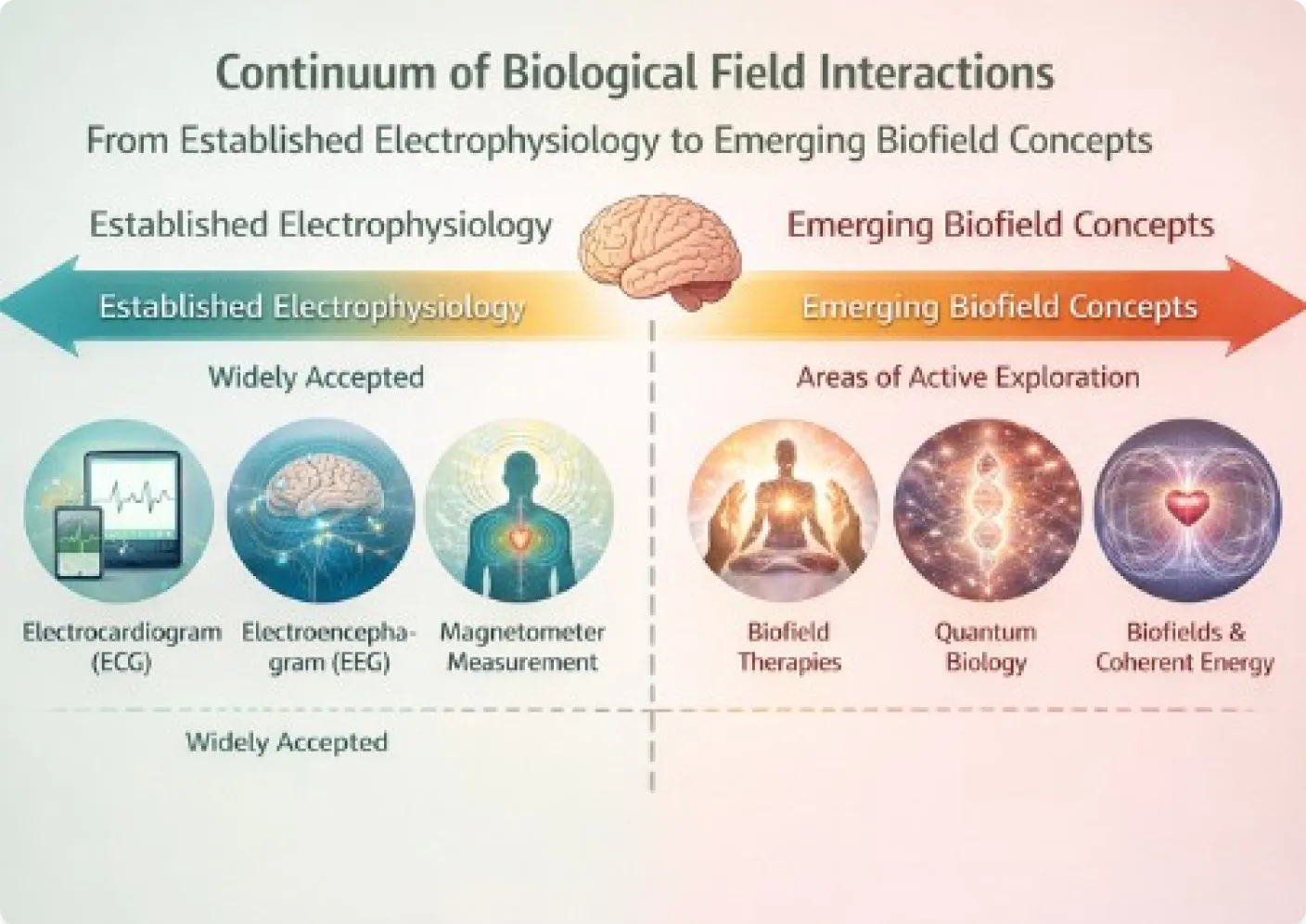
Continuum of biological field interactions: from established electrophysiology to emerging biofield concepts
5.2 Neuromodulation Modalities: Established Clinical Evidence
Neuromodulation is one of the best investigated aspects of scalar wave therapy.
With the exception that the use of techniques such as transcranial magnetic
stimulation, vagus nerve stimulation and deep brain stimulation has been clinically
validated for particular neurological and psychiatric disorders. These modalities
show that selective modulation of neural signaling can yield lasting alterations in
nociceptive processing, affective regulation, motor performance, and autonomic
function.
Pulsed electromagnetic field (PEMF) therapy is a hybrid of traditional
neuromodulation and whole body field therapies. PEMF has been well researched
in the areas of musculoskeletal healing, pain control, and inflammation, with
multiple peer reviewed studies showing an effect on bone healing, circulatory
enhancement and cellular metabolism. These results are of top importance as
PEMF is applied via non-contact field exposure rather than by direct electrical
stimulation.
Scalar wave therapy (SWT) is often equated with PEMF because of similarities in
the theoretical basis of field interactions and systemic versus localized effects.
Yet, PEMF has been refined empirically for decades and guided by standardized
protocols for measuring its effects, while scalar approaches appear to be more
nebulous. This differentiation illustrates the importance of measured extrapolation
and not direct translation.
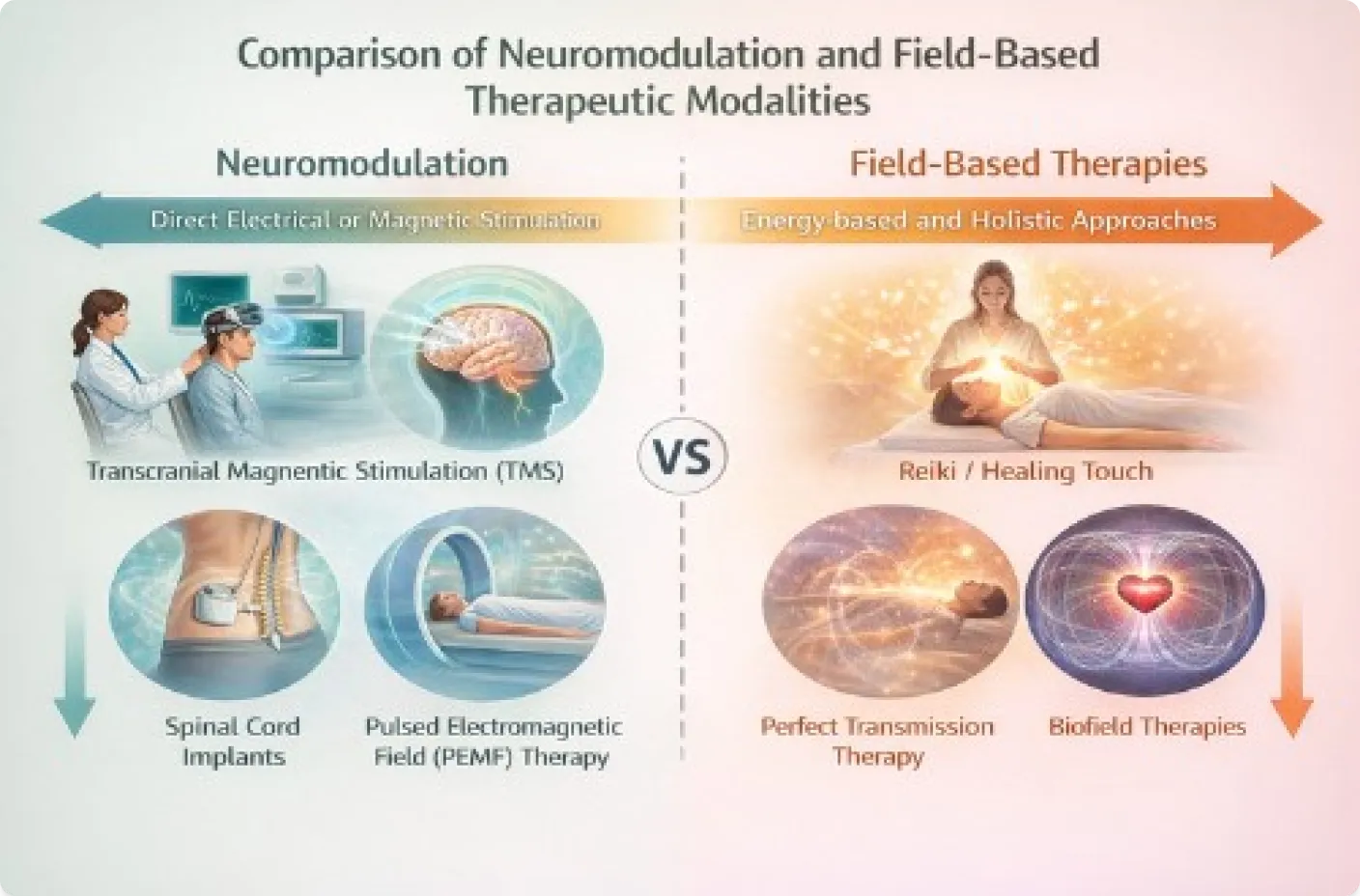
Comparison of neuromodulation and field-based therapeutic modalities
5.3 Frequency-Based Effects on Cellular and Mitochondrial Function
A growing number of experimental studies are indicating that cellular mechanisms
are not only influenced by chemical signals but also by frequency and field
factors. In vitro and animal studies have demonstrated that certain
electromagnetic frequencies can regulate the mitochondrial membrane potential,
ATP production, generation of reactive oxygen species, and signaling of
apoptosis.
The clinical relevance of these observations lies in an emerging concept that
mitochondrial dysfunction is a common denominator for chronic pain, fatigue, and
many degenerative conditions.
5.4 Detoxification, Inflammation, and Immune Modulation Research
Inflammation and detoxification have a very close relationship through immune
stimulation, oxidative stress, and metabolism related pathways. Studies on
autonomic function have shown that parasympathetic activity has anti-
inflammatory effects mediated by neural-immune pathways, such as the
regulation of cytokine production.
Studies on vagus nerve neuromodulation have yielded significant evidence that
the regulation of the nervous system can change systemic inflammation. This is
very relevant to scalar wave therapy, often said to also promote increased
relaxation and parasympathetic dominance.
Although there is not yet direct evidence associating scalar fields with
detoxification routes, there is indirect evidence from research showing enhanced
blood flow, lymph flow, and cellular transport under conditions of a balanced
autonomic nervous system (ANS) and diminished stress signaling. These
processes offer a credible basis for explaining patient-reported detox-related
experiences without resorting to unsupported statements.
5.5 Limitations of Current Evidence and Research Gaps
While scalar wave therapy is conceptually consistent with established scientific
principles, it suffers from substantial evidence limitations. The absence of
standardized devices, use of heterogeneous terminology, and variation in
treatment regimens represent barriers to rigorous assessment. Furthermore, the
application of conventional biomedical instruments is limited by the difficulty of
detecting non-traditional fields.
Such limitations do not negate clinical observation but call for a tempered
interpretation. Future research priorities are controlled clinical trials, standardized
outcome measures, and the incorporation of sophisticated bioelectromagnetic
monitoring methodologies. In the meantime, scalar wave therapy should be
positioned as an investigational or complementary approach to treatment, not as a
first-line treatment option.
5.6 Synthesis and Clinical Implications
Taking into consideration the whole context of neuromodulation, biofield science,
and frequency medicine, scalar wave therapy seems to stand somewhere
between theoretically plausible and empirically immature. Its proposed
mechanisms are consistent with established concepts of biological regulation, but
definitive clinical validation is lacking.
For both clinicians and patients, this synthesis provides support for a balanced
stance: wary openness grounded in scientific humility. Scalar wave therapy could
be appropriately investigated within integrative care paradigms, as with any other
modality, as long as its application is open and use is individualized and informed
by continuous assessment.
6. Patient experience, Safety and clinical integration
As scalar wave therapy and similar neuromodulation modalities become more prevalent in integrative and functional medicine practices, patient experience, safety, and clinical appropriateness must be considered. Since these therapies act via noninvasive, nonpharmacological routes, their impact is frequently subtle, cumulative, and dependent on context. Thus, good communication and responsible clinical framing are necessary.
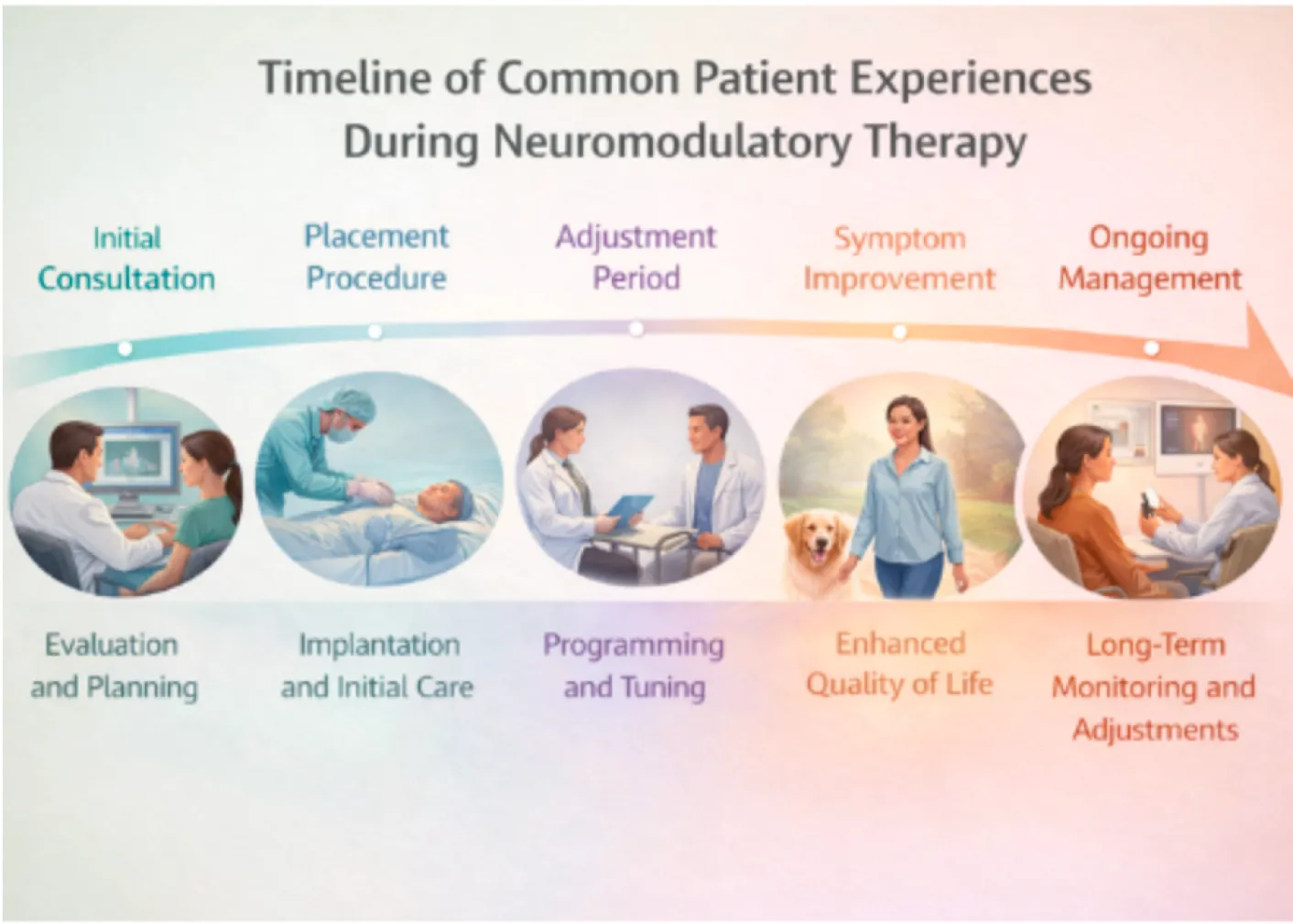
6.1 Patient Experience and Physiological Sensations
Scalar wave therapy is acknowledged as an intervention that does not lead to instant and local physical changes, and is rarely experienced as a localized and immediate shift in the body. A considerable number of patients experience signals such as nervous system downregulation via sensations like deep relaxation, warmth, lightness, or a sense of mental quietness. It is assured that the neural pathways which are linked to such experiences are those of the parasympathetic system that has been activated along with the sympathetic one having been toned down, as it has also been pointed out in the literature on neuromodulation.
A few patients have reported minimal or no immediate sensation in their initial treatments. It is a lack of perceptible effects should not be equated with a failure of therapy, as regulatory processes typically take place beneath the threshold of conscious awareness. Clinical experience indicates that subjective effects can be a dynamic process, changing over time through adaptations and recalibrations of physiological systems.
Occasionally, patients also report transitory effects including mild fatigue, headache, crying, or alterations in sleep patterns. These effects are typically short-lived and may represent a transient physiological adaptation, particularly in those with elevated baseline stress, inflammation, or toxic load. Notably, these types of responses are qualitatively distinct from negative reactions to pharmacologic or invasive procedures.
6.2 Safety Profile and Risk Considerations
There is broad consensus in the field that scalar wave therapy is low risk from a safety standpoint, especially relative to invasive neuromodulation or drug-based treatments. Because it is non-contact and non-ionizing, the potential for tissue injury, thermal effects, or systemic toxicity is minimal
Nevertheless, safety should not be taken for granted simply because the technique is non-invasive. Individual variations in physiology, comorbidities, and cointerventions need to be considered. Precaution is typically advised in those who electromechanical medical devices implanted (pacemakers, neurostimulators) due to theoretical risk of electromagnetic interference, although no adverse event has been documented
Equally, those with seizure disorders, significant psychiatric instability or other complex neurological issues should be individually considered, preferably in consultation with their primary medical provider. Although no direct causal relationships have been identified between scalar wave therapy and negative neurological effects, the lack of large-scale safety studies justifies cautious clinical judgement.
6.3 Managing Expectations and Therapeutic Framing
Expectation management is one of the key factors in determining patient satisfaction and effectiveness. Scalar wave therapy is not to be recommended as a quick cure or a one size fits all solution. Rather, it is best viewed as an adjunctive therapy that can potentially improve the body’s regulatory function over time.
Patients are well served if they understand that:
This framing is consistent with placebo-mediated and context-dependent healing responses research that shows that therapeutic outcomes are modulated not only by the parameters of an intervention but also by recipient comprehension, trust, and engagement.
6.4 Integration with Conventional and Integrative Medical Care
Scalar wave therapy is most effective within the context of a multimodal approach to care, and not as a single intervention. Its putative regulatory actions may synergize with those of traditional medical approaches to promote balance of the autonomic nervous system, efficiency of cellular energetics, and resilience to stress.
From a clinical perspective, it is more beneficial to integrate when:
Scalar wave therapy, however, ought not to be presented as a substitute for standard medical care, especially for serious or undergoing diseases. It may, instead, be considered helpful in improving tolerance, recovery and general wellbeing.
6.5 Ethical and Professional Considerations
Responsible application of novel treatments is to be guided by the principles of informed consent, transparency and professional self-restraint. Patients need to be told that scalar wave therapy is experimental, the best available evidence to end now, and what the other treatment options are.
From the expert perspective, it is vital to keep a clear separation between clinical education and therapeutic marketing. Exaggerated claims or promises that cannot be verified discredit patients and harm the overall reputation of integrative medicine.
Conclusion and Clinical Prespective
Scalar wave therapy and other neuromodulation techniques are a developing field in integrative and biofield-based medicine. Increasing clinical utilization is indicative of a more general change in medicine: An understanding of chronic disease, pain, and fatigue as diseases of regulation and resilience, rather than discrete injuries or defects in structure or biochemistry.
The study evaluates scalar wave therapy from various perspectives by discussing the theoretical basis, suggesting the physiological mechanisms, the clinical applications, researches being done, patient experience, and the scientific limitations involved. Although mechanistic confirmation is still lacking, the conceptual fit of the treatment with well-known neurophysiology, cellular bioelectricity, mitochondrial energetics, and autonomic regulation is sufficiently plausible to warrant continued exploration.
From a clinical standpoint, scalar wave therapy is viewed as a supportive, non-invasive add on and not a main therapeutic option. What may be of value in the future scalar-wave therapy is its potential to assist the body’s self-regulating processes, especially in individuals with chronic dysregulation, increased stress responses, or diminished recuperation. Thoroughly assimilated with a full treatment approach, it may contribute to a patient’s comfort and strength and quality of life.
The acknowledgement of the current limitations is also important. The lack of standard protocols, challenges in objectification, and limited large-scale clinical trials require further scientific rigor and prudence in clinical statements. Ethical use involves open communication, obtaining informed consent, and working closely with traditional medical assessment and management.
Scalar wave therapy does have a valid place in the realm of investigative and integrative medicine, as long it is conducted with scientific humility, clinical responsibility, and patient-centered care. Its final role within the evidence-based medicine framework will be defined by ongoing interdisciplinary research. In the meantime, it is best applied in an environment where wonder is tempered by caution, and cutting-edge creativity is informed by ethical and scientific guidelines.
References
The study evaluates scalar wave therapy from various perspectives by discussing the theoretical basis, suggesting the physiological mechanisms, the clinical applications, researches being done, patient experience, and the scientific limitations involved. Although mechanistic confirmation is still lacking, the conceptual fit of the treatment with well-known neurophysiology, cellular bioelectricity, mitochondrial energetics, and autonomic regulation is sufficiently plausible to warrant continued exploration.
From a clinical standpoint, scalar wave therapy is viewed as a supportive, non-invasive add on and not a main therapeutic option. What may be of value in the future scalar-wave therapy is its potential to assist the body’s self-regulating processes, especially in individuals with chronic dysregulation, increased stress responses, or diminished recuperation. Thoroughly assimilated with a full treatment approach, it may contribute to a patient’s comfort and strength and quality of life.
The acknowledgement of the current limitations is also important. The lack of standard protocols, challenges in objectification, and limited large-scale clinical trials require further scientific rigor and prudence in clinical statements. Ethical use involves open communication, obtaining informed consent, and working closely with traditional medical assessment and management.
Scalar wave therapy does have a valid place in the realm of investigative and integrative medicine, as long it is conducted with scientific humility, clinical responsibility, and patient-centered care. Its final role within the evidence-based medicine framework will be defined by ongoing interdisciplinary research. In the meantime, it is best applied in an environment where wonder is tempered by caution, and cutting-edge creativity is informed by ethical and scientific guidelines.